Eight emoji sets, one browser each
Emoji are font glyphs, not images. A webshot server draws them in whatever colour-emoji font it happens to have — so we run a separate container per set, each with exactly one installed and fontconfig rebuilt around it.
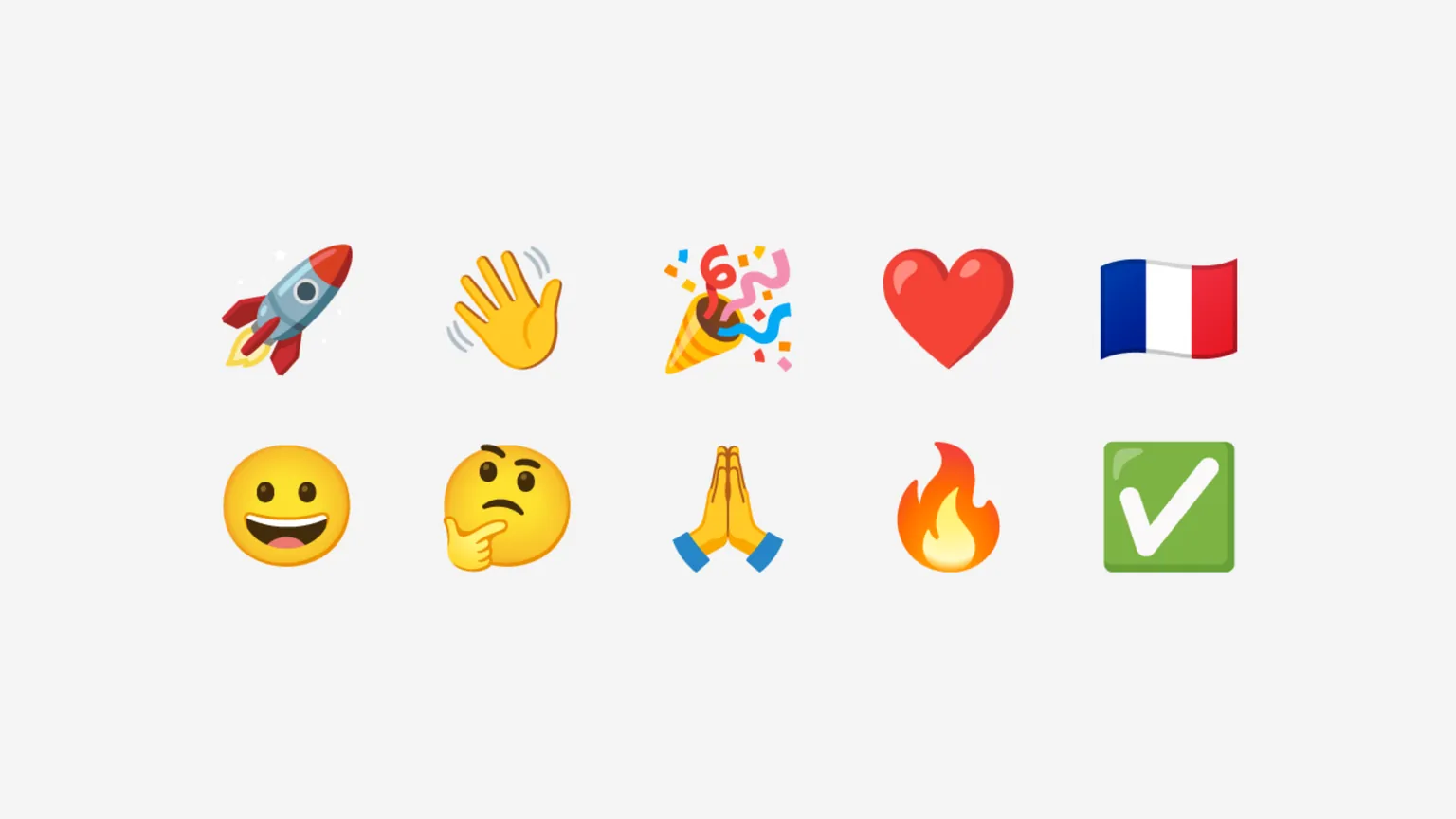
Google's Noto Color Emoji, as shipped on current Android. The set that redesigned the blobs away, and the default on most Linux servers — which is why so much of the web is accidentally rendered in it.
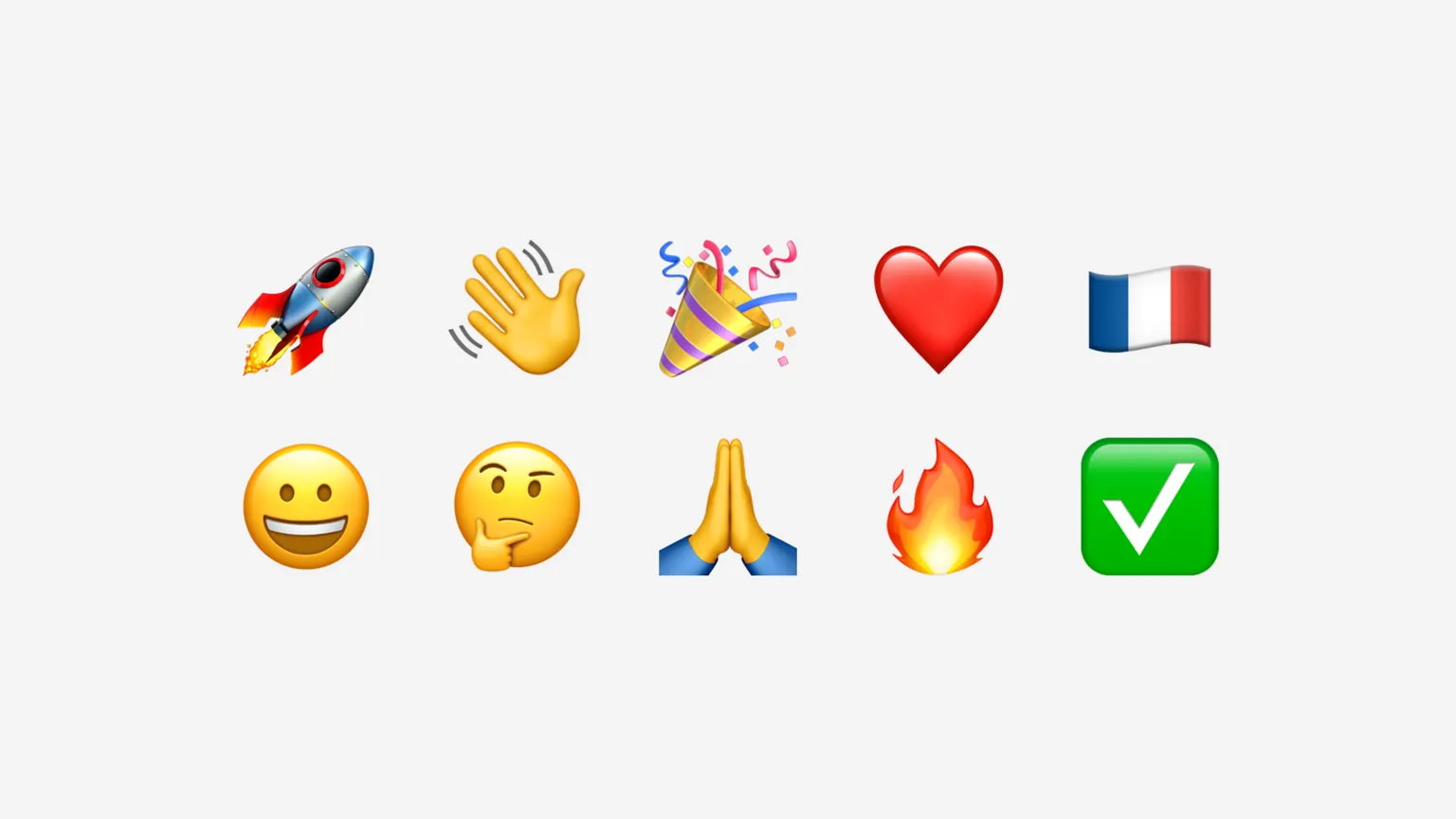
Apple Color Emoji — the glyphs most people picture when they picture an emoji, because most people compose them on a phone that draws these.
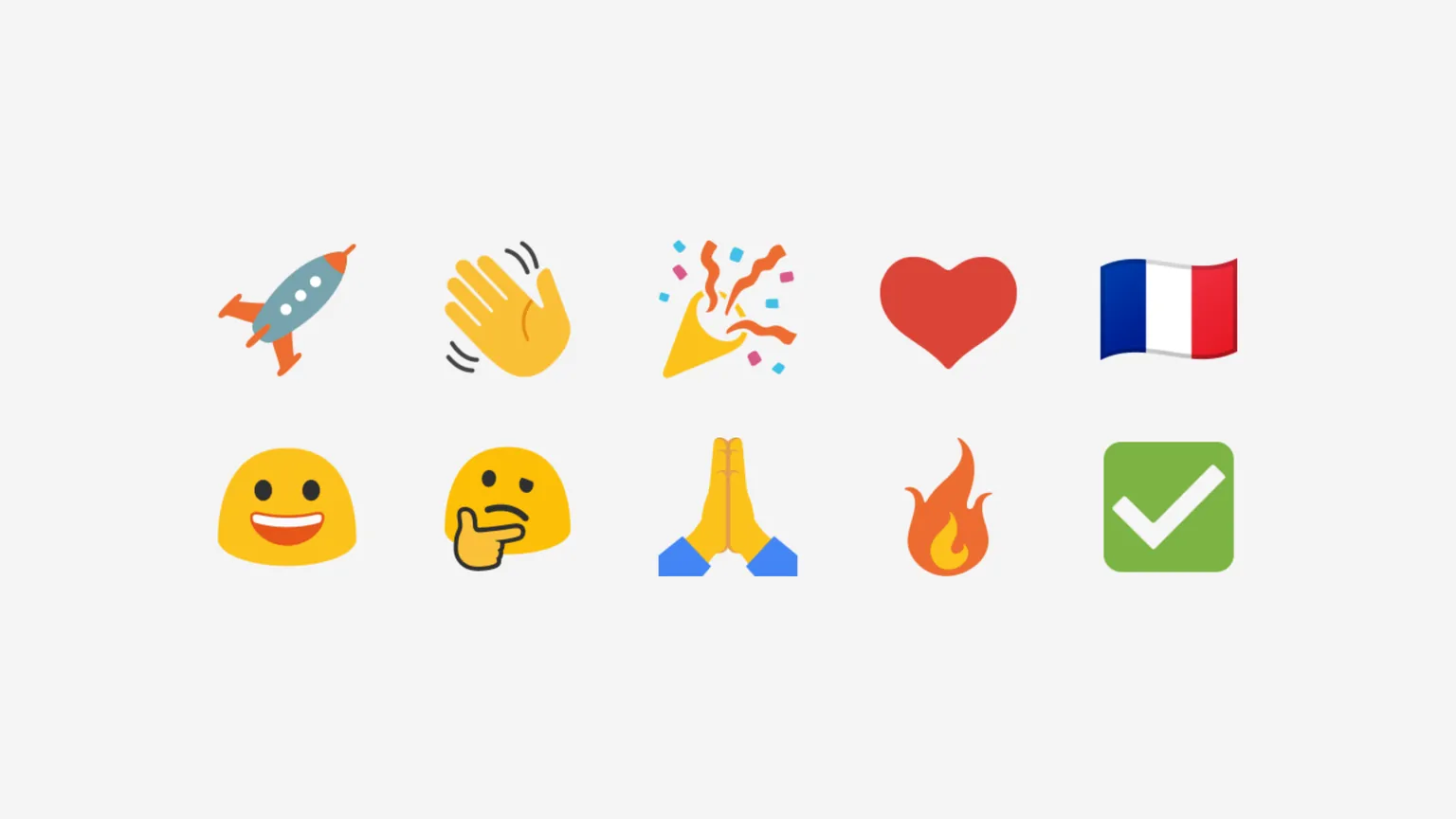
Android's original blobs, retired by Google in 2017 and kept alive by the people who never forgave them for it. Gboard still hides a few.
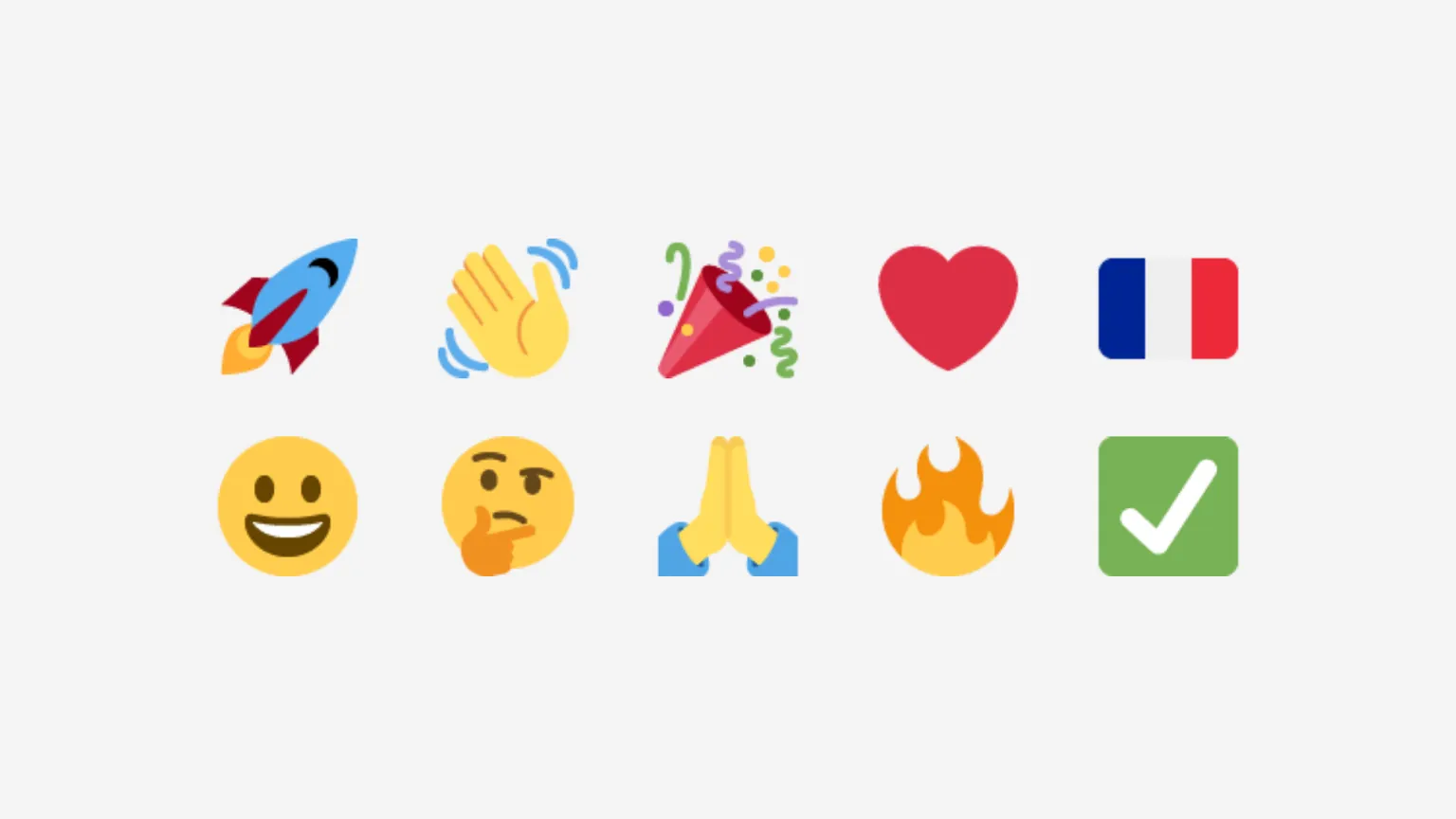
Twitter's open-licensed set. Flat, high-contrast and unmistakable — and, because the licence is permissive, the set a great many sites deliberately load for themselves.
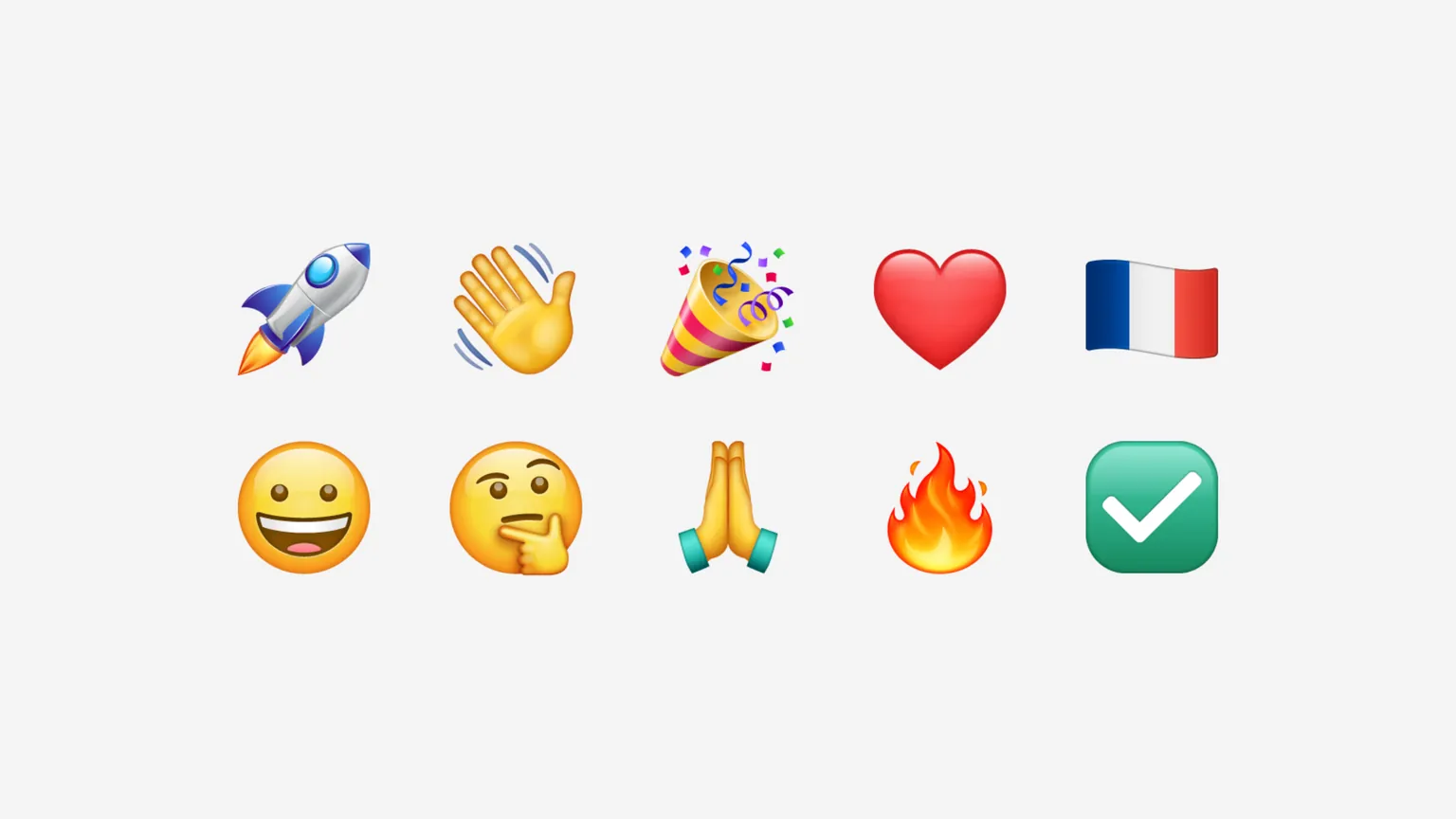
WhatsApp draws its own emoji rather than the host system's, so the same message looks the same on an iPhone and on an Android — and looks like neither.
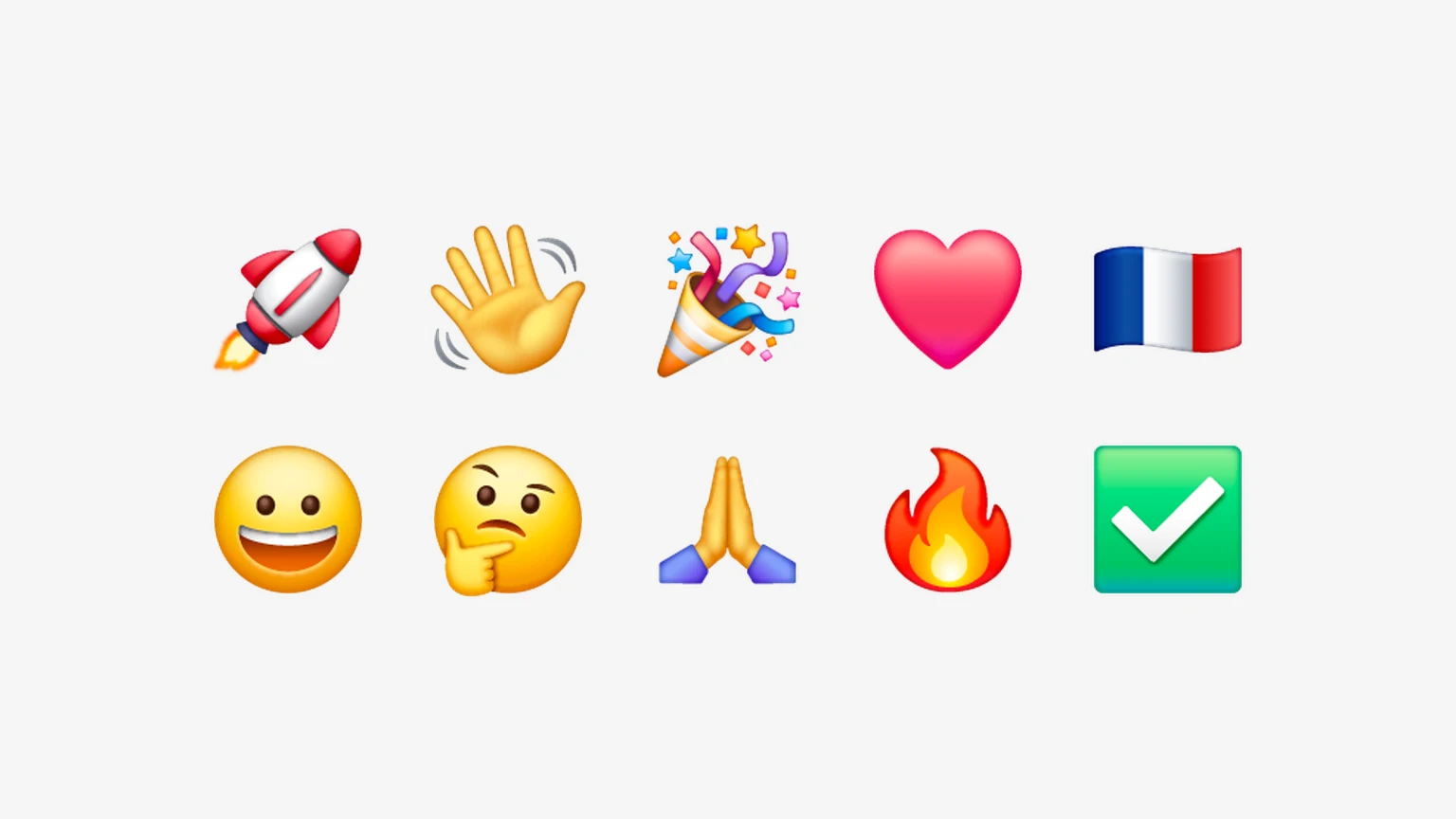
Samsung One UI ships its own set over Android's. On the best-selling Android handsets on earth, this — not Noto — is what a person actually sees.
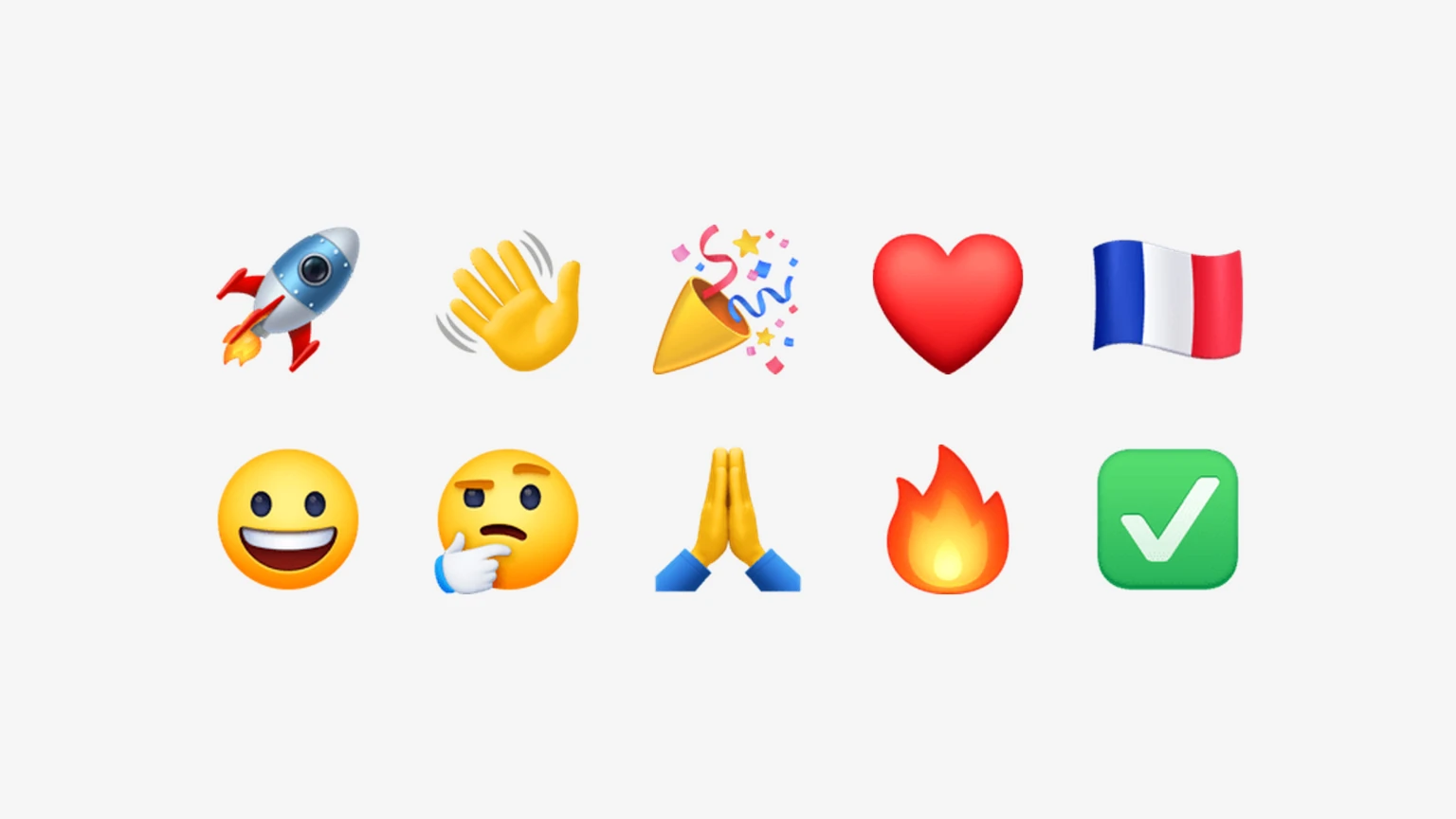
Meta's in-app set, drawn rounder and warmer than the system emoji it replaces inside the app.
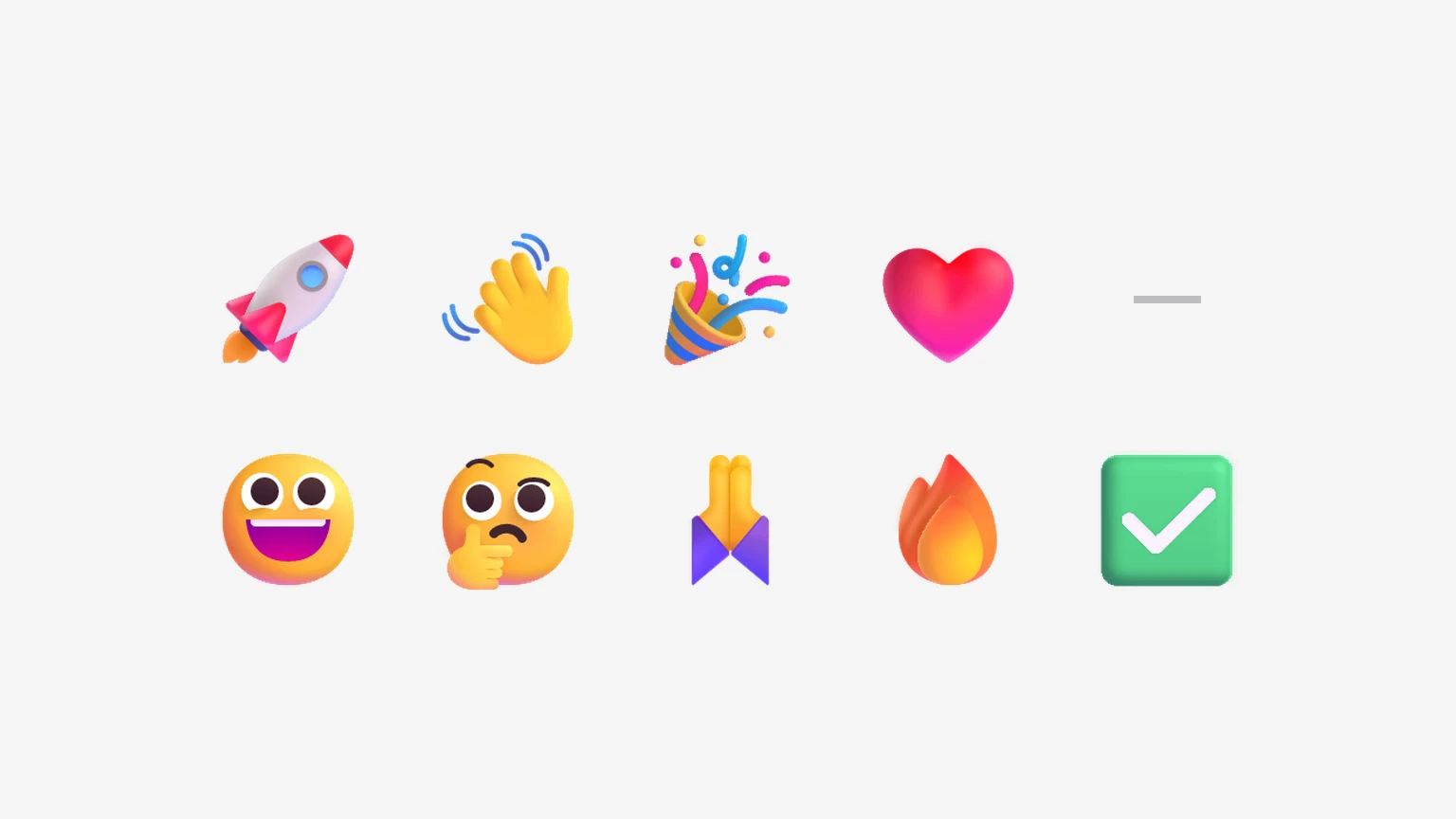
Segoe UI Emoji — the flat, geometric set on every Windows desktop, and therefore on most of the screens in most offices.
Asking for one
One parameter. No CSS is injected into your page and no font is substituted — the request is simply routed to the container that has that font and no other.
curl -X POST https://webshotter.com/api/v1/webshots \
  -H "Authorization: Bearer YOUR_TOKEN" \
  -H "Content-Type: application/json" \
  -d '{"url": "https://example.com", "emoji_set": "android"}' \
  -o webshot.png
Omit emoji_set and you get
whatever the device you asked for would render: a MacBook draws Apple, a Galaxy draws
Samsung. Sending one overrides that.
Pick the emoji, not the server's font
Free to start. Render the same page against three sets and put them side by side.